Recording
For me every photoshoot is like another therapy session
She was 19 when she lost her leg from a missile that struck Kramatorsk. Two years later, she’s finishing university and posing for Vogue and Playboy
Anastasiia Shestopal06/21/24
The story of a girl who survived the explosion at Kramatorsk train station
On April 8, 2022, Russia struck the Kramatorsk railway station, killing 57 people and wounding 109. Among the wounded was 19-year-old Anastasiia Shestopal. After several surgeries and a coma, her leg was amputated; she was then transferred for treatment to Dnipro and later to Germany. Anastasiia recalls the first minutes after the explosion, the work of rescue workers and doctors, and conversations with her mother. She talks about moving to Germany, getting a prosthesis, and adapting to a new life.
Attention! Translation was done using AI, mistakes are possible
I’m from Druzhkivka, it’s near Kramatorsk. My parents let me go visit friends in Dnipro — in our city you could hear gunfire, [shells] hit frequently. On April 8, I was planning to leave, and arranged a BlaBlaCar ride from the train station in Kramatorsk. I arrived at 8 a.m., and at 10:30 there was an explosion.
First there was one explosion — I was sitting on a bench [on the platform] and jumped aside, falling to the ground. I’m lying in blood, everyone is panicking and running. Then there was a second [explosion]. I realize that if something else hits our area from the second explosion, I have absolutely no chance of surviving, because I’ve lost a tremendous amount of blood. But I didn’t lose consciousness.
First I shouted: “Help!” and then realized everyone was running away and the chances of anyone coming to me were very slim. But then rescuers ran up to me, said the girl was in critical condition, put a tourniquet on my leg, and carried me into the station. I tried not to lose consciousness, because it was such a state of shock, as if it were happening to someone else. But some time passed, and I was already in the ambulance.
Everyone was calling and writing — family, relatives — and I couldn’t pick up the phone. I was in such a state, my hands were barely functioning. But when I was in the ambulance, I somehow managed to answer the phone — my sister’s husband was calling. I told him I was alive and they were taking me to the hospital.
The doctors tried to save my leg — they took a vein from the right one and tried to save the left. After the surgery, I fell into a coma. The operation ended around 4 p.m., and I was in a coma until evening. My mom asked the doctors if I’d walk again. They said: pray that she survives. I came to, and they sent me to Dnipro, where they performed a second operation.
I remember fragments of the surgery — the doctor was in shock, trying to piece my leg together. They said there might be a chance to save it. They put me to rest, and by evening the nurse noticed I was getting worse.
They performed a third operation. I thought it was a planned one, but in the morning I woke up without a leg. Overnight, they’d amputated it completely. My mom wasn’t there, nobody at all was there that day. All the relatives already knew I’d lost my leg, but Mom didn’t — she was on her way to me in Dnipro.
I called her and said: “Mom, I don’t have a leg.” She said: “Everything will be fine, we’ll get you a prosthesis — the main thing is you survived.” At first, I couldn’t imagine what I’d do. I’m on my way to visit friends in Dnipro, with my leg, and then a day later I wake up and my leg is gone. I simply didn’t know what to do next. But gradually, with the support of my loved ones, I recovered.
By May 9, I was already in Germany. We have friends in Germany, in the city of Essen. When all this happened to me, they posted information about me. And a girl named Mira, when she saw it, wanted to help and wrote to me. She arranged for me to be admitted to a clinic, helped us find an apartment — she takes an active part in my life now.
In Germany, I had 4 more surgeries. I’ll have two prostheses. First a trial one, on which I’ll learn to walk, and then a different [permanent] one.
I can already do a lot on my own. You have to gradually achieve your goals — walk on crutches, go outside — all kinds of little things. You need to try to accept support. When someone wants to support you, to help, you shouldn’t shut yourself off and think you’ll be better off in your shell.
After a person comes within a hair’s breadth of death, you stop caring — you just do what brings you joy, what you love. I like making TikTok videos, I like filming myself.
You need to socialize more, re-enter society, you need to stay yourself. I’ll do what I used to do (Anastasia worked in SMM — SP), I’ll go back to the life I had before. Maybe I’ll just need to wait a little bit.
She was 19 when she lost her leg from a missile that struck Kramatorsk. Two years later, she’s finishing university and posing for Vogue and Playboy
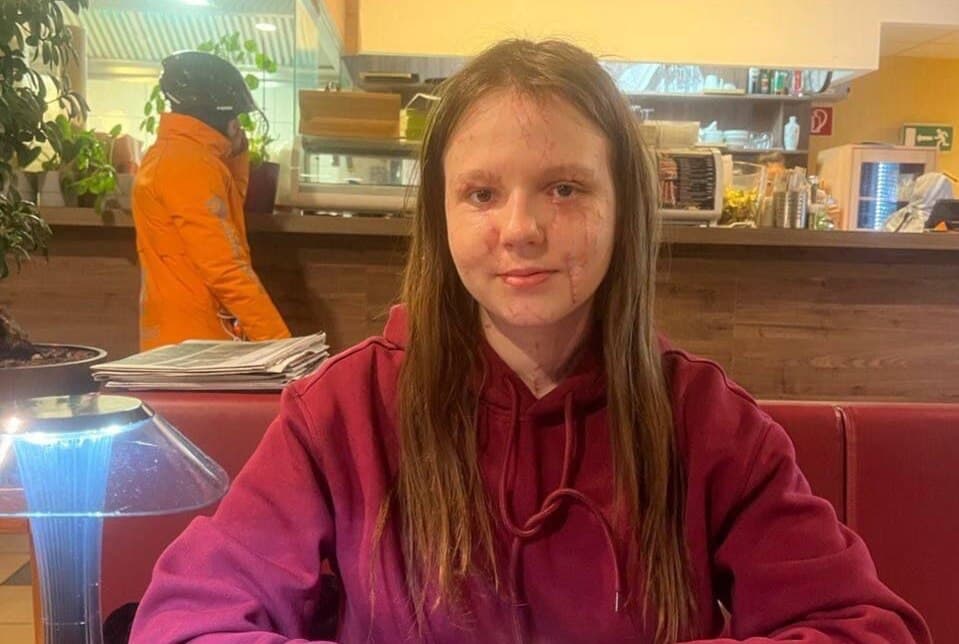
A 19-year-old Ukrainian woman was caught in a shelling in Dnipro on her birthday
A pregnant woman and her husband survived under the rubble of their home in Zaporizhzhia
A teacher lost his wife and two children in the shelling of their home in Dnipro
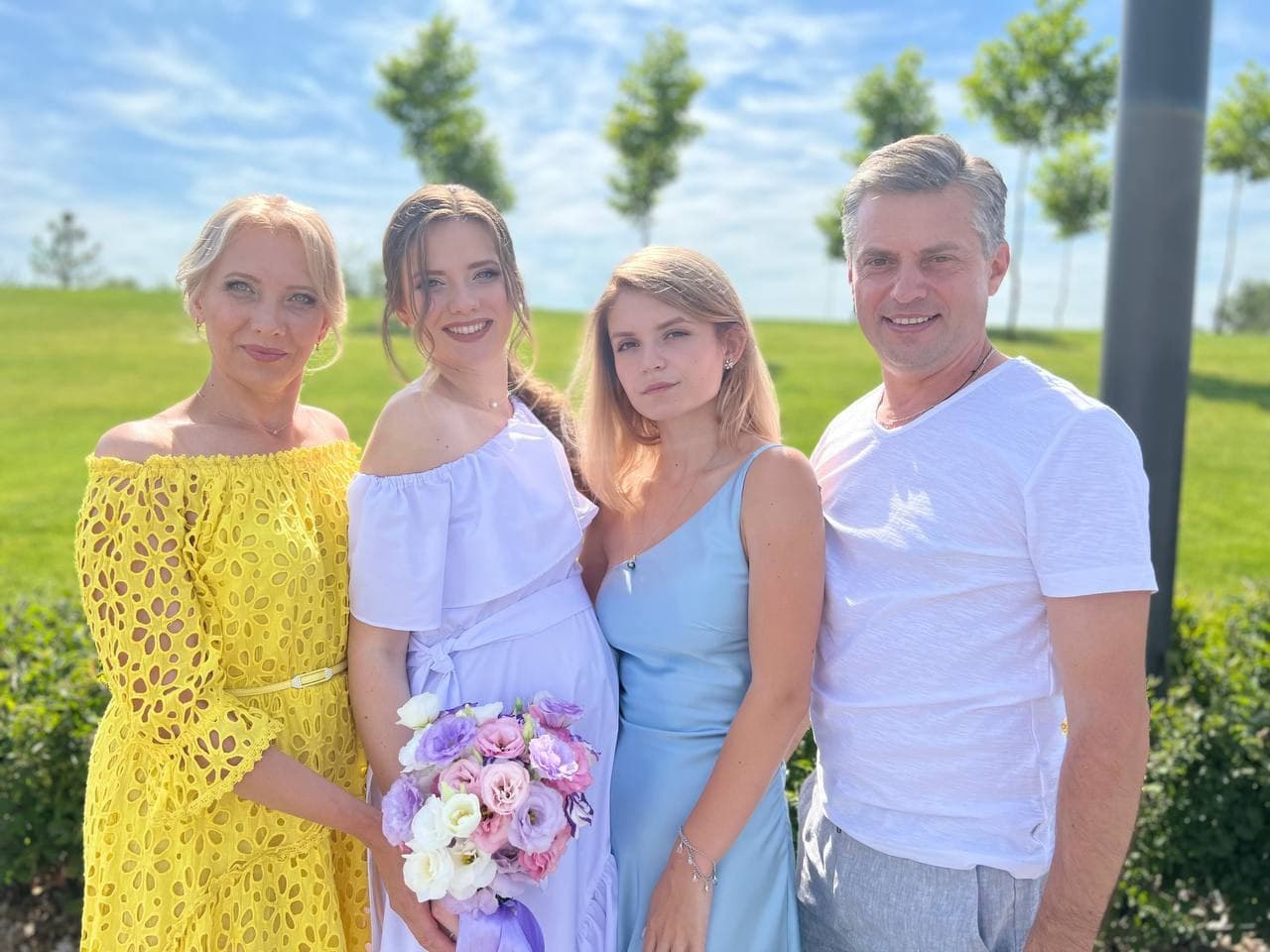
The story of one family from that very building in Dnipro

A coach pulled his former student from a building destroyed by a missile in Dnipro