
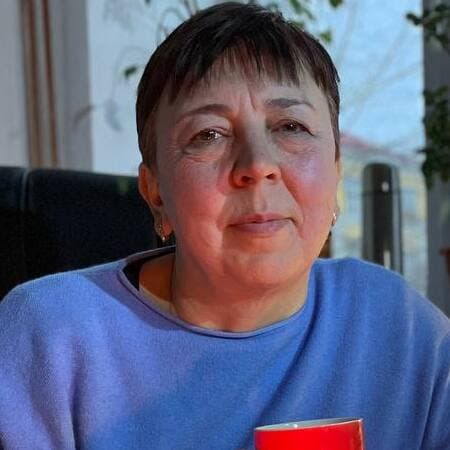

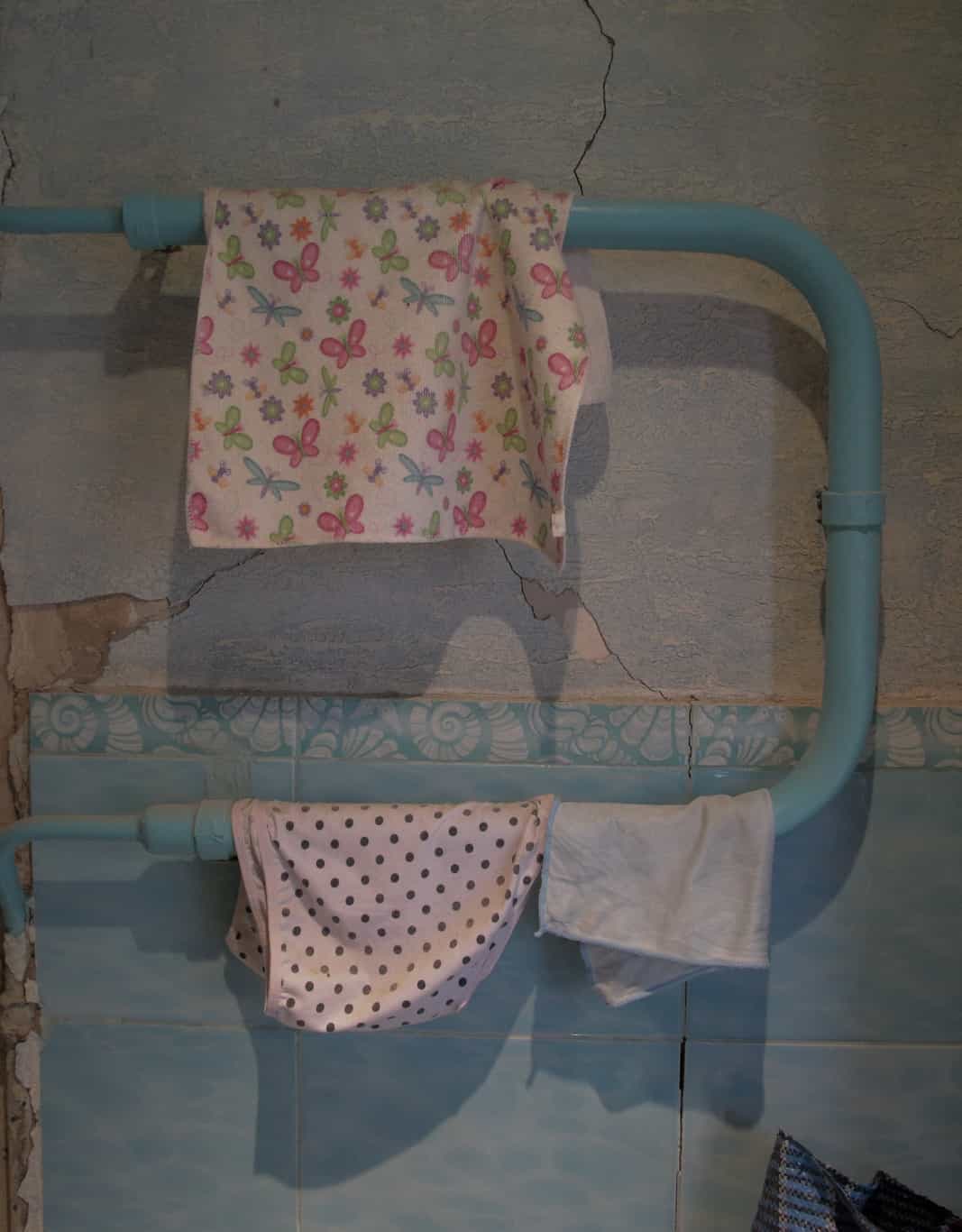
Life Under Occupation
39 testimonies
Archive of Personal Testimonies
The everyday reality of war in the oral accounts, photographs, videos, and correspondence of witnesses

This is a collection of monologues by eyewitnesses of the war in Ukraine, published by Helpdesk Media on Instagram between 2022 and 2024.
These are documentary accounts of life under occupation, bombardment, loss of home and loved ones, captivity, solidarity and volunteering, injuries and loss, political persecution and forced emigration — the everyday reality of people facing horror, violence, and death. We call them testimonies. To many of them, we have added full audio recordings of interviews, their transcripts, and other supplementary materials.
This is more than just an archive of previously published materials: wherever possible, we include the original audio recordings of interviews and their full transcripts. The archive currently contains over a hundred hours of audio — the living voices of people living in conditions of war.
Explore the Archive39 testimonies

34 testimonies
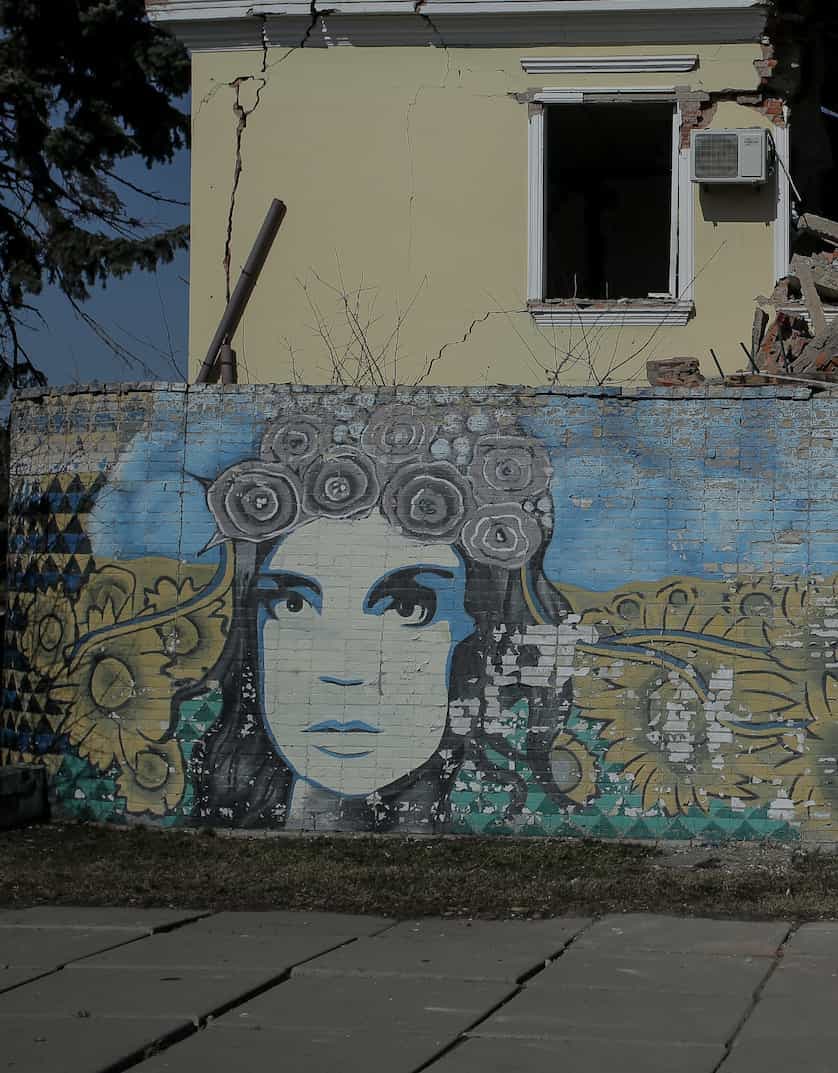
30 testimonies
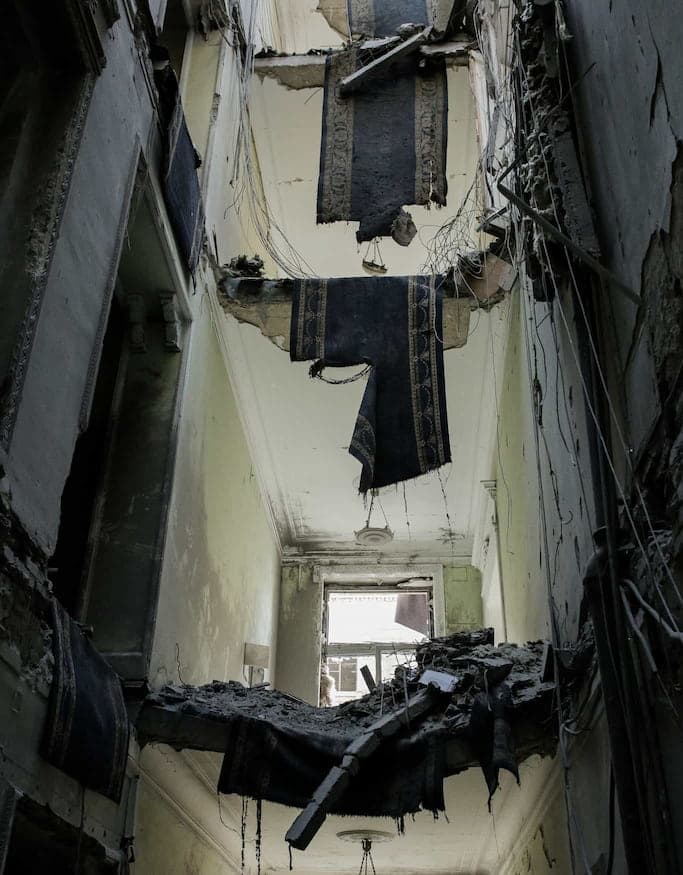
28 testimonies
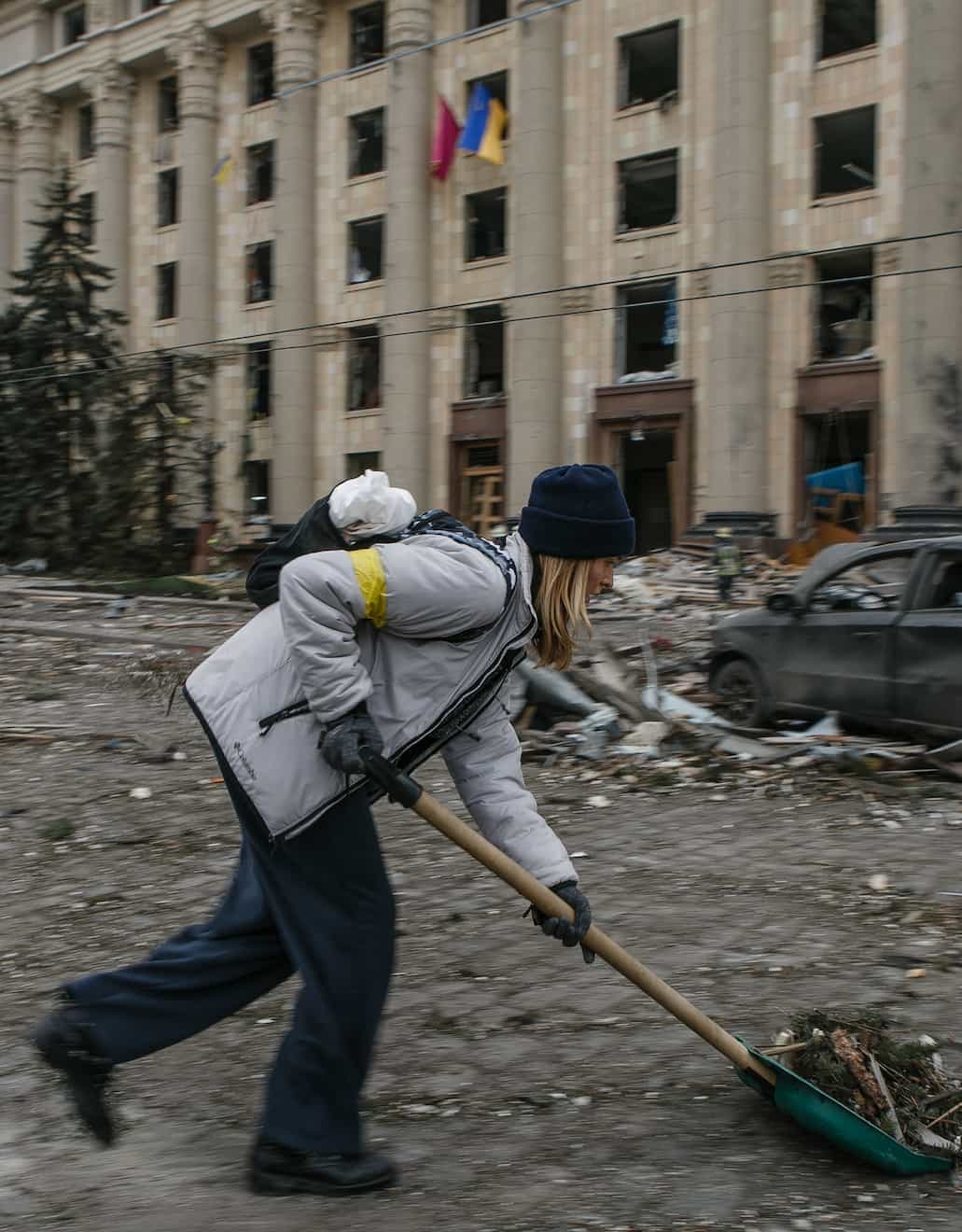
28 testimonies
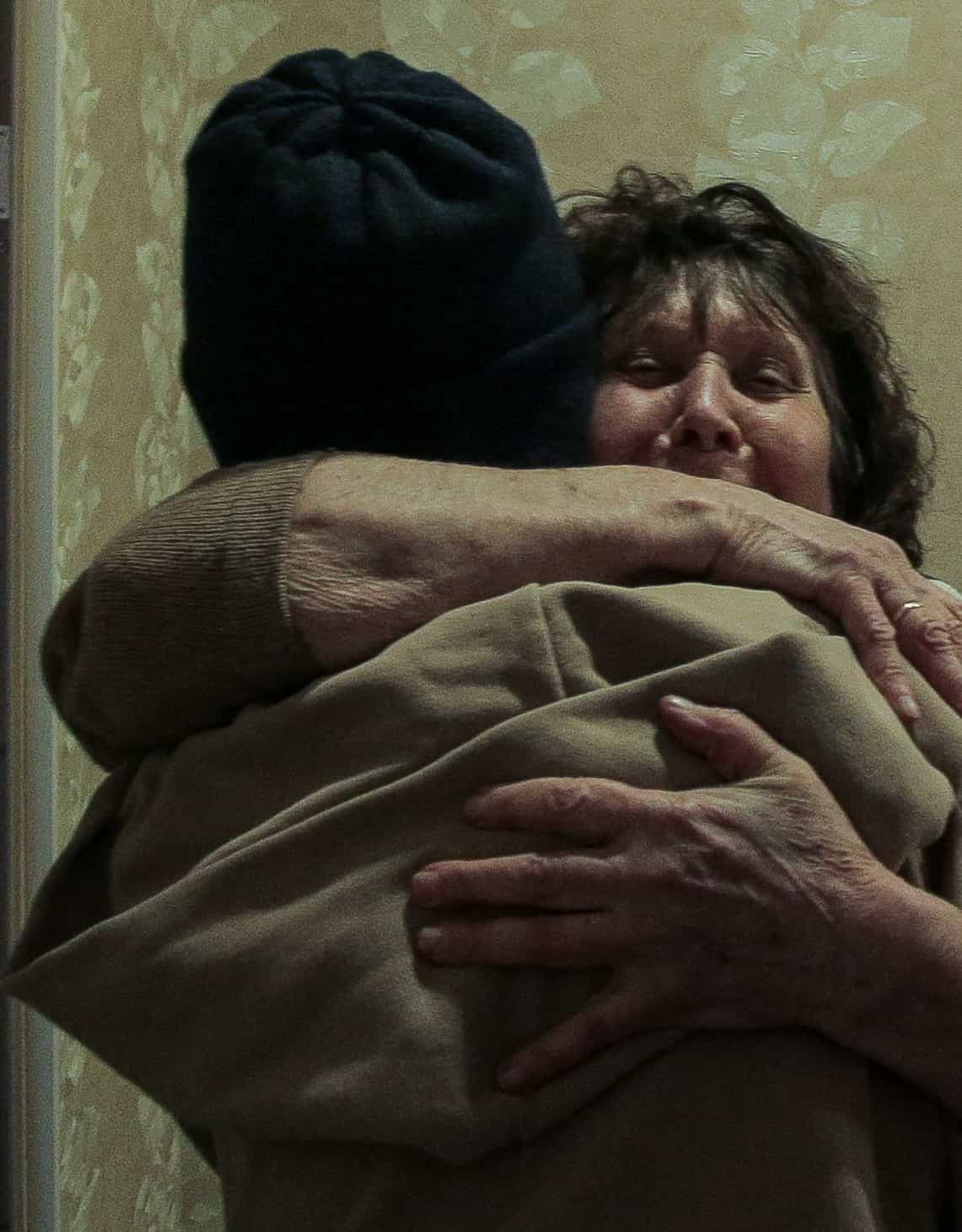
20 testimonies
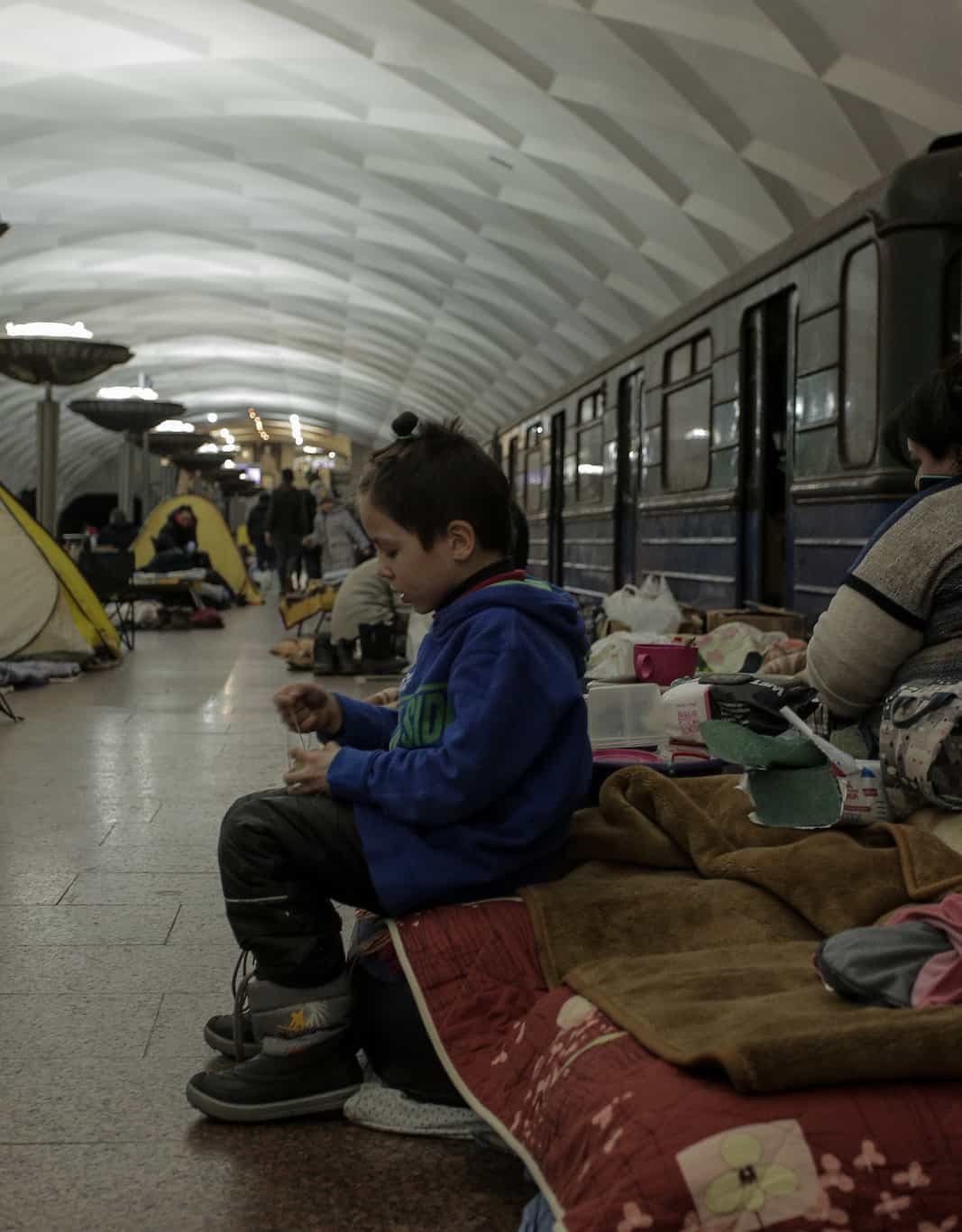
16 testimonies

15 testimonies
9 testimonies
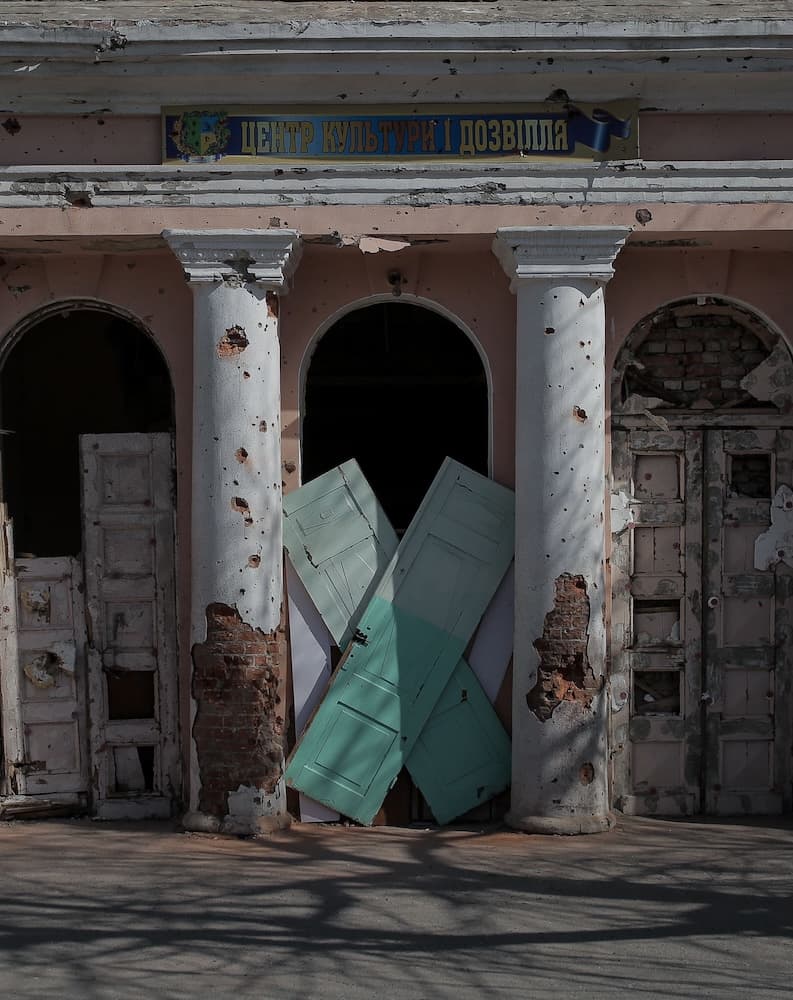
7 testimonies
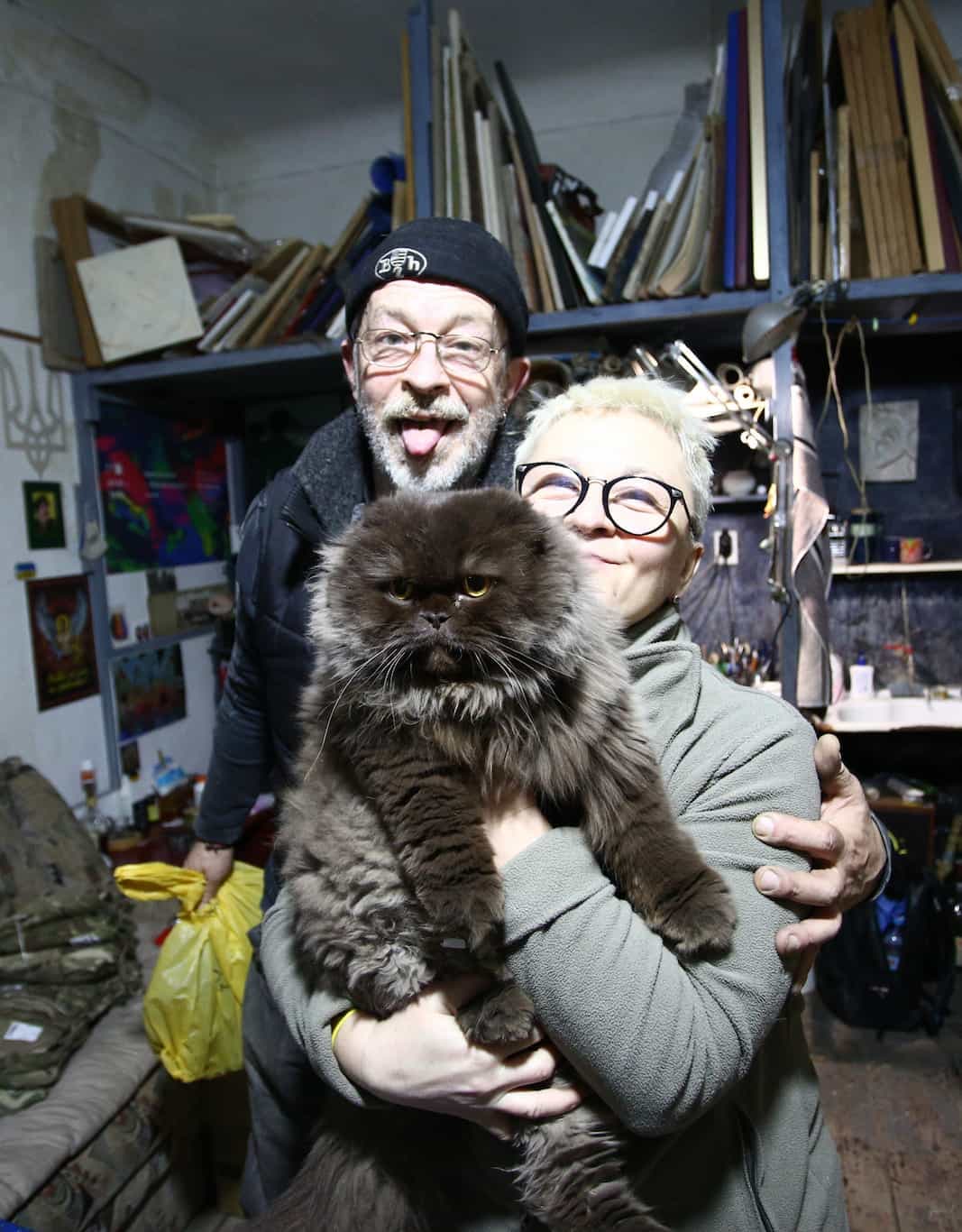
6 testimonies
Our primary aim is to ensure that these testimonies are read and heard. That is why we preserve them in the fullest form possible and make them accessible to everyone, including researchers, journalists, and lawyers. Instagram posts had to be significantly shortened due to the platform's limit of 8,000 characters, sometimes at the cost of the most valuable passages. Moreover, it is nearly impossible to find these posts on Instagram.
It was also essential to include in the archive source materials that had never before been published: a voice often conveys incomparably more than text.
Yes. When working with each testimony, we follow three principles:
Each interview goes through several stages of preparation:
The collection currently contains 150 testimonies out of approximately 500 gathered by Helpdesk Media. Each testimony includes the interview text, recording date, information about the speakers, a link to the original publication, and keywords. If original recordings exist, we publish them as well. Work on the archive continues: we are translating the archive into different languages, adding new testimonies, and supplementing those already published with additional materials.
Explore the ArchiveFirst and foremost — they can be read, listened to, and shared with others. There is a convenient search option for that. Audio recordings and transcripts of testimonies can be downloaded.
You may use the archive for journalistic projects, academic work, podcasts, and analysis.
Important! We ask that you cite the archive when using its materials.
If you would like to get involved (as a donor, volunteer, or if you have an idea for collaboration), please contact us.
Several organizations.

Conducted the interviews and prepares the testimonies for publication.

Zukunft Memorial is the custodian of the archive and provided expert support and assistance in securing funding.

Responsible for the technical implementation of the archive online: the website, infrastructure, metadata system, search, and long-term file storage. It transforms the collection into an organized digital archive and maintains its accessibility.

Provides financial support for the project.
The Helpdesk Media Testimony Archive is a joint project of Zukunft Memorial and Kronika, supported by Zimin Foundation.
The project preserves personal testimonies of eyewitnesses to the war in Ukraine: textual posts, audio recordings and their transcripts, photographs, and videos.
The archive is based on materials from the Helpdesk project, which began its work in the spring of 2022 — shortly after the start of Russia’s full-scale invasion of Ukraine.
Helpdesk Media originally operated as a media outlet and support service. In addition to publishing eyewitness accounts, a 24-hour consultation hotline was launched. People reached out with questions about evacuation, humanitarian aid, legal risks, mobilization, and adapting to life in new countries.
Through anonymous chats and personal messages, residents of Ukraine and other countries shared their experiences of life during the war: being under occupation and shelling, losing loved ones, familial separation, and loss of homes. Project staff provided psychological, practical, and legal support, helped find volunteers, and resolved urgent issues. Over the course of its work, the project amassed a significant body of personal stories and became a trusted source. Staff recorded audio interviews, corresponded with protagonists, collected photographs and videos, prepared transcripts, and published posts on Instagram and Telegram. Due to limitations of the format, most testimonies were published in abridged form.
In the summer of 2024, Helpdesk Media transformed into the “Let's Help” initiative, which fundraises to help civilians in Ukraine. The project ceased to operate as a daily media outlet, but it became clear that the collected materials needed to be preserved. Our colleagues from the First Line project have continued to provide online consultations on difficult issues.
It also became clear that publications needed to be supplemented with original audio recordings, full transcripts, and additional materials. Audio is especially important in this archive, as it preserves what text cannot convey: a person’s living voice, intonation, and the context of the conversation. The ability to hear a testimony helps to more accurately understand the lived experience and to work with it as a documentary source. First, this is essential for meaningful research and human rights work: so that testimonies can be found, compared, and analyzed. Second, to protect the materials from being lost — due to technical failures, being blocked, or the disappearance of the platform.
This is how the archive came into being — a space where testimonies are preserved in full and organized for long-term storage and use.