Text
Mom made canned stew for the Armed Forces — we didn’t eat it even on the hungriest day
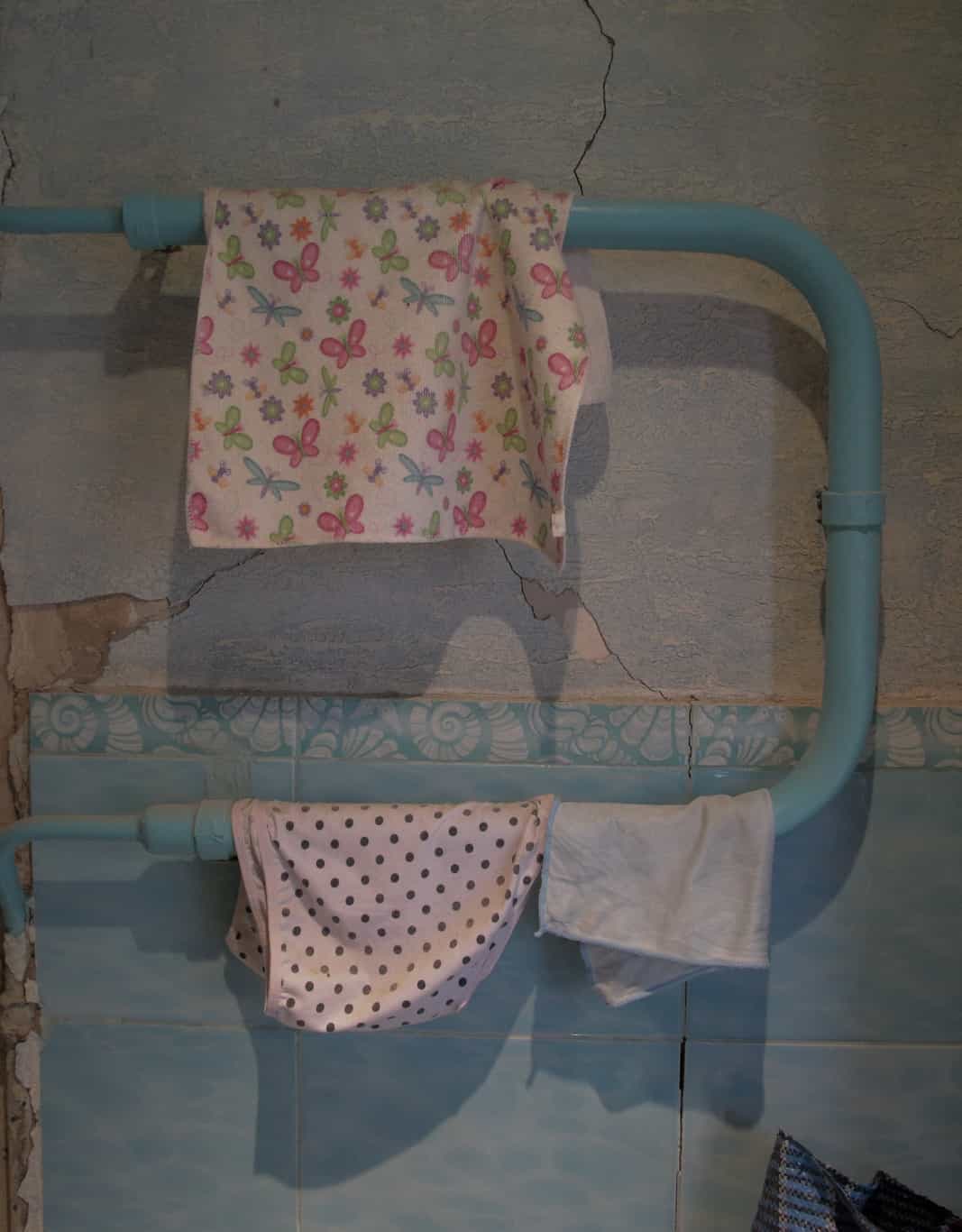
A family lived in occupied Kherson for 8 months; two weeks before the city’s liberation they were taken to Russia
Anonymous11/10/22
Residents of Kherson on the first months of life in an occupied city
Several inhabitants of Kherson anonymously describe how they survived the beginning of the occupation. Their testimony details fear, life in bomb shelters, shortages of food and medicine, mutual aid, and volunteer group chats. They also separately describe Russian propaganda, searches and phone checks, and mass pro-Ukrainian rallies broken up by force.
Attention! Translation was done using AI, mistakes are possible
All names have been changed.
About how it all started.
Mikhail: My wife woke me up and said something had exploded. I thought she was imagining things from lack of sleep. Then I heard it. The first sensation: complete numbness and refusal to believe. Impossible to eat, impossible to sleep, everything inside turns upside down, your mind won’t accept what’s happening. People called from Russia — they didn’t believe the war had started. Half the people we communicated with, who had been friends, simply became Z-activists. They told us “you’re a fascist, you’re a Nazi” — these are people we knew, worked with, drank tea with. When someone you’ve known for ten years asks you to film a video in front of a bombed building to make sure it’s not fake, it gives you the chills.
Olena: It wasn’t easy for the Russian army to enter the city. During that time, a lot of men joined the territorial defense. When Russian forces entered the city, we were at home — our mayor and the guys from that same territorial defense insisted on it. They asked us to stay calm and not go out. Unfortunately, not everyone listened, and the guys who went at the Russian column with Molotov cocktails were killed.
Mikhail: My family and I were with relatives that day. We heard a tank column moving. My wife said: “That’s what death sounds like.” The sound was terrifying, everything was shaking. Then they started firing at the buildings.
About how the children reacted.
Mikhail: At first, we told our five-year-old son it was an earthquake. Grad rockets were flying, fighter jets — the sound was terrifying. On the second day, we told him: this is war, Russia attacked us. He took it fairly well, but he was scared, of course. When a jet flew overhead, he’d cover his ears and curl into a ball. When we were being bombed, we’d go down to the shelter and talk through everything. Eventually he started understanding what was flying and what part of the city it was in.
Vika: My two-year-old son got very scared when we had to go down to the basement. But then we were outside, heard an explosion, and he immediately understood we needed to take shelter. I haven’t explained anything to him yet — I just say “the bad man went boom.” When we see the aftermath of an explosion, we say “the men spilled sand from a truck.” God willing, if this all ends quickly, I’ll tell him when he’s older. We’ll have days of remembrance and a big conversation.
About the food and medicine situation.
Anna: To buy food, you sometimes have to stand in line for half a day. Some stores only have sweet drinks, mustard, and candy. Porridge and meat are hard to come by. They often give out free bread; today they were handing out yogurts for children. Volunteers are everything to us. I’m breastfeeding my child — and that’s a salvation. Everything in the stores has been bought up.
Mikhail: There are chats where people write about those who need help. There are chats where they write: “You can buy eggs here” — and everyone goes there to buy eggs. Three or four hundred people stand in line and buy them. Same for fruit, milk, bread, meat. The big stores have nothing — they burned down the biggest shopping center in the first days. In small shops you can buy cheese, rice, vegetables. Sometimes markets even open. Life right now is basically a constant quest for food. Stores are starting to close because there are fewer and fewer products in the city. People are getting nervous and anxious.
Olena: Medicine is the most painful topic. The biggest shortages are insulin, hormonal medications, and heart medicine. People share what they have, they collect across the region.
Vika: We have almost no insulin in the city. The Kherson Regional Council channel publishes information about which hospitals are working and how much insulin is available where.
Iryna: They’ve started accepting some Russian aid now. But the biggest queue for humanitarian aid doesn’t compare to even the smallest daily rally.
Olena: People react very negatively to these “good” deeds: first they drive you to helplessness by blocking humanitarian trucks, then they help.
About propaganda.
Olena: They ostentatiously brought a couple of trucks with food and actors. People arrived who were supposed to thank Uncle Vova for his gifts — it was all being filmed. Old ladies poured off the buses, started grabbing canned meat and saying “thank you” on camera. But people came out to rally and ruined the pretty picture — real Kherson residents with Ukrainian flags stood and shouted: Kherson is Ukraine! This gratitude performance was supposed to be shown on your news — we now only have Russian television. But they didn’t air what they’d filmed, just said that Kherson was glad to see the rescuers and showed some other city. We realized we’d ruined their circus.
Mikhail: March 13 — the day of Kherson’s liberation from fascism. They brought in some grandmothers from Crimea, dragged in some drunks, grabbed USSR flags. These people, about 30 of them, went to the eternal flame, shouting “thank you, grandfather, for the victory.” The Russians filmed a clip as if the people of Kherson were happy to be liberated from fascism. There were so few of them it’s not even clear they were bused in. Meanwhile, on Kherson’s main street, about 5,000 people marched with Ukrainian flags, trying to show that we don’t need the Russian world. I was at that rally — I felt tremendous pride for the people who came out and tried to show that we’re at home here.
Olena: Nobody believes Russian propaganda — only the select few who were kissed by Russian TV long before the war. They still think we’re being saved. We only have Russian channels on TV — we honestly watched them and honestly laughed, honestly hated them and cursed them in unison.
About Russian soldiers.
Iryna: The military here divide into two types — orcs and “polite people.” Orcs are the mean overseers — mainly SOBR, who decided they can throw their weight around here, and the National Guard. The soldiers living in seized administrative buildings walk around everywhere with assault rifles and pretend to be polite. Like, don’t mind my rifle, I came in peace, I’ll help a pregnant woman and a child.
Vika: We’re lucky — ours are more or less normal, calm, our neighborhood occupiers, maybe just young. I don’t know how they were assigned.
Mikhail: They conduct searches and raids on people who seem especially dangerous to them. They break locks, kick down doors, and search people who were either in the Ukrainian army or the territorial defense. They can break into your house at five in the morning and turn it upside down. I haven’t been searched; people I know have.
Iryna: Either wipe your phone before going outside, or swap it for a burner. Talk about them quietly on the street — there are plenty of “guests” in civilian clothes in the city. The other day we couldn’t enter our apartment building — there was a search going on, they checked the phones of almost everyone I know. Essentially, the city is now one big prison.
Vika: They have requirements: walk in pairs, slowly. If soldiers stop you, show your documents. There’s a curfew. Drive very slowly by car, stop when requested and show documents and what’s in the trunk. But in reality, people just ignore all of it.
About the locals' attitude toward the military.
Mikhail: Russian soldiers can’t accept that people behave freely and have the right to express their choice. They try to act the way they do back home. But here, everything’s different. I don’t know what they expected, but I haven’t seen a single person who approached them with joy, accepted them, brought them flowers, hugged them, or was in any way glad they’re here.
Olena: I truly don’t know what they expected when they came to us. Before entering the city to “save” us, they killed our soldiers, hit civilians' homes with Grad rockets. What should they expect — there’s only hatred and anger from our side.
Mikhail: The other day I was walking past a soldier — he’s standing there with a rifle and that Z letter. We looked at each other — he understood everything and I understood everything. I don’t know what was going on inside him, but everything inside me was boiling. A feeling of hatred, the desire to tell the man off. But you can’t do anything, because he’s standing there in his uniform with a weapon. And you’re at your own home! And he looks at you with contempt.
About the rallies.
Iryna: These are our weapon. And against their weapons, nobody is protected — we simply have nothing. Russian soldiers first reacted to Kherson’s protests with shock, then anger — and so, the events of recent days: pushback, tear gas, flashbang grenades, batons, shots aimed at legs. The soldiers' aggression only fires our people up — we are Maidan people, my childhood was the Orange Revolution, my youth was the Maidan. Now I’m more cautious, but my friends are only bolder. The people who come out to rally (and there are a lot of them — at least 80% of my close circle, I’d say) are daredevils, the bravest, ready for anything. Those who are cowards by nature, like me, live in fear 24/7.
Mikhail: Kherson residents openly approach armed men and tell them we’ll sort things out ourselves, we don’t need Russia or their “salvation.” That used to be normal, but on March 21 they staged a provocation — someone wrote on the Heavenly Hundred memorial (these are people who died on the Maidan) that Ukrainian troops are child killers. Naturally, people went to erase the inscription — flashbang grenades flew at them, one person was shot in the leg, they started beating people.
About mutual aid.
Iryna: The general mood in Kherson right now is to support each other with all our might. Without “hold on” / “holding on,” we’d have broken down already. We still start every day by calling and texting loved ones from all corners of Ukraine and all districts of Kherson. Otherwise you can’t make it. We’re all extremely exhausted by everything. I think it’s some stage of stress where you lift your arm and you’re already tired.
Anna: People have banded together now, helping each other — lots of volunteers. People feed and care for animals left behind by those who decided to leave immediately. People post medications, food they can share, coordinate each other on products that appear for sale, and so on. We’re more united than ever before.
Vika: We have lots of channels on Telegram, Viber. In our building, the men organized their own chat, installed interior bolts on every entrance. If someone somehow gets in, the men come out right away.
Olena: Some patrol the city against looters, some collect children’s clothing, some deliver food and medicine to addresses. In the first days, a lot of people brought food, clothing, and medicine to hospitals amid the sounds of explosions and sirens. Every morning we write to loved ones about how the night went. If it went well — whether they froze in the basement and whether they need help.
About the future.
Iryna: I’m in despair that I can’t leave. I have many friends in Europe — I’m withering away here and crying, I just want to leave until better times, when Kherson is free of the Z letter across the city, all festive and in flags. It’s very hard to live in fear and pain. I feel awful. I’ll wait for the chance to escape, help Ukraine remotely (I’m more useful that way, I have a plan), then come back and celebrate the victory.
Anna: The plan is to stay in Kherson, develop its economy, support its residents, raise children, rebuild our homes, pray for the Armed Forces and wait for that beautiful morning when mom wakes me up with the words “Daughter, darling, wake up — we won.” And it will definitely come.
Olena: We’re tired. We cry at the news, but then we stop, because we remember who’s doing this and how much we’ve already paid for it. Inside there’s agony from hatred of the enemy and love for our country — that’s my state too. But we don’t lose heart — we have pregnant women, children, grandmothers. Life is worth living — there’s no plan, the plan is to live.
A native of Odesa ended up in occupied Mariupol and escaped through dozens of checkpoints and arrest
A family lived in occupied Kherson for 8 months; two weeks before the city’s liberation they were taken to Russia
A woman on what life is like in occupied Melitopol
Ukrainians have to cover up their tattoos to escape from occupation
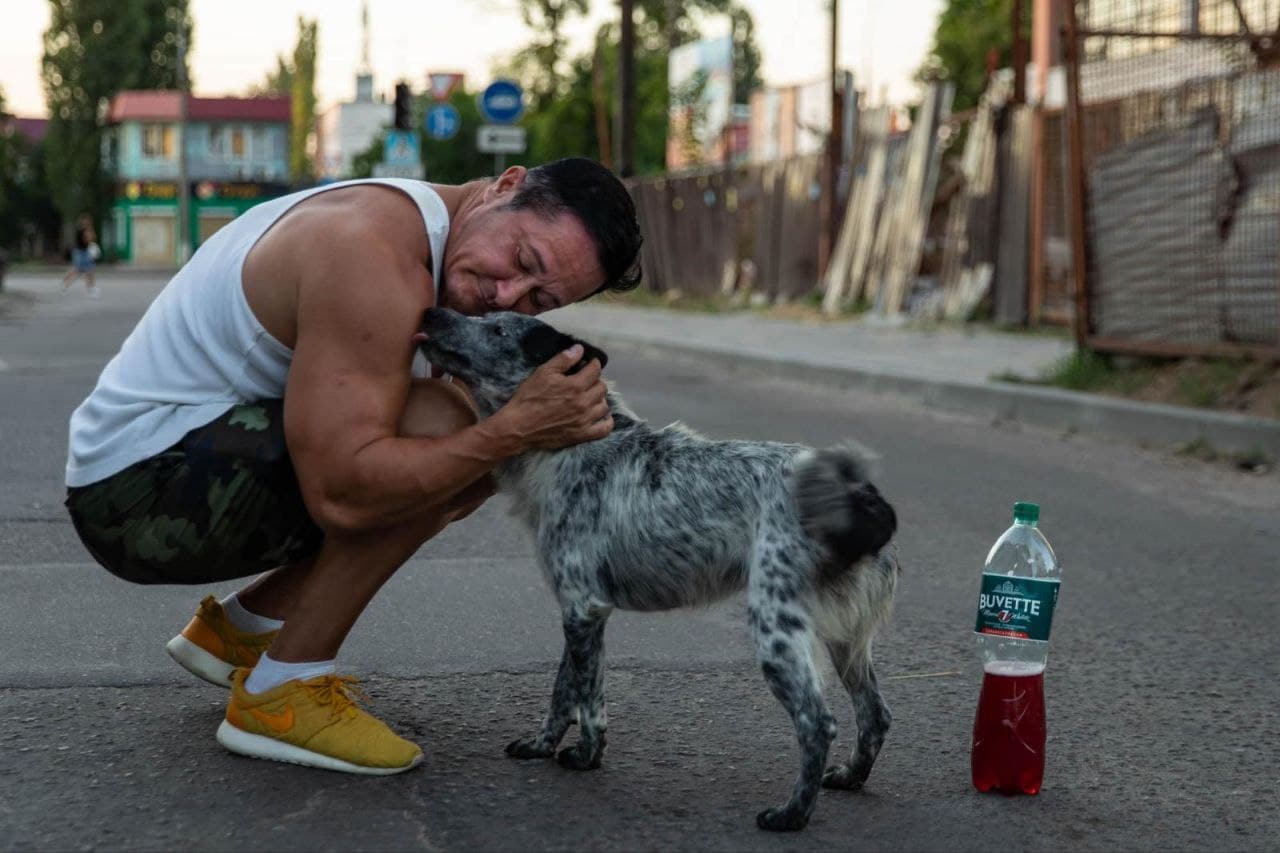
How the world powerlifting champion rescues animals and people
A student and volunteer on life in occupied Kherson