Instagram Post Text
Attention! Translation was done using AI, mistakes are possible
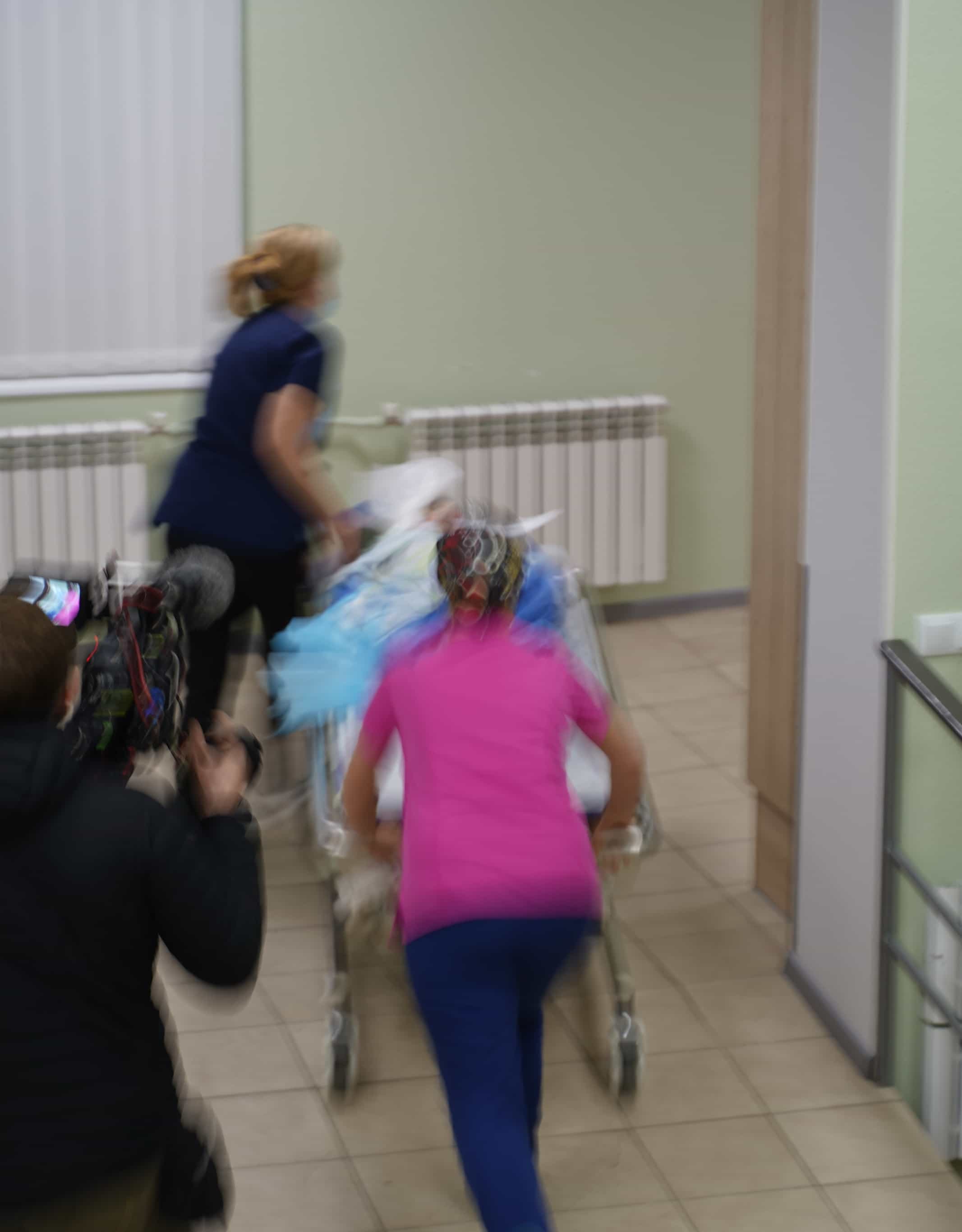
In early March, destruction had already begun — windows at the hospital started shattering. First, we tried our best to discharge everyone who could more or less manage at home. Then patients who needed treatment were moved from wards to hallways and hidden behind walls. With each passing day, we moved them lower — from the fourth floor to the third, from the third to the second.
On March 6, I started my shift. During the night from the 6th to the 7th, there was heavy shelling. The entire hospital was moved to the basement. We carried patients down ourselves — the biggest problem was moving the bedridden ones. We covered people with mattresses. We figured that if we covered them, the mattresses would protect them from injuries.
Our basement was, well, like everywhere — a junk corner with stuff piled up. Nobody had thought during construction that we’d be living through a war.
In the morning, the next shift didn’t show up. I had to stay. In the end, I stayed on continuous duty for four and a half months. Many staff members began evacuating to safer areas. I’ve never judged anyone for that, and I don’t now. I made my decision — I simply knew I had to keep pulling this weight.
We moved everything to the basement and started setting up: made a kitchen, a small room for operating. We started bringing equipment down — whatever we could save. In the end, we saw that the conditions were actually decent. But space was limited. We counted about 72 to 78 people including patients at that point. Four people sat on each bed, packed side by side.
There were fewer and fewer medical staff. By March 10–11, two doctors remained in our basement: me and Oleksandr Yakovlevych. I’m talking about doctors — there were also nurses, orderlies, and aides.
When the Russians entered our part of the city, naturally, we were afraid too. Nowhere to hide, we have bedridden patients, wounded, people with chronic conditions. How the encounter with the occupiers would go — unclear. I told everyone: “Please, don’t start any confrontations and don’t worry. Even if you’re in the right about something — don’t, these are people with weapons.”
Russian soldiers entered the hospital and started checking everything. It was March, cold — we’d given patients six, seven, eight blankets each. They’d lift every one. Looking for soldiers. There were all sorts of conversations, like “forget your Ukraine.” But they let us work and didn’t take anyone. They set up their own hospital in the building next to ours.
Some time passed, and the other doctor and I agreed to go check on our families — see how things were, spend a few hours, and come back.
By evening, only I returned. The doctor decided to evacuate. I later learned there had been problems with his children after the shellings. Everyone makes their own decisions.
I’d seen my family and was heading back to the hospital. My son said: “Dad, I’m coming with you. I want to help.” I told him not to, but he came anyway. He was going on 19.
He saw brains there, chest wounds, abdominal wounds. Let’s say he went through a serious education, but it was hard on him. Later, he and my wife left Izium.
I was the only doctor left. Most nurses were gone too. It was tough — there were so many wounded.
It was difficult to work without a resuscitation specialist and anesthesiologist. On our team we had several nurses from anesthesiology and intensive care. We managed, gradually.
You can’t drip cold IV solutions, so in March, at +2, +3 degrees, we warmed them by pressing them against our bodies. As luck would have it, spring dragged on. Everything this year was different from usual.
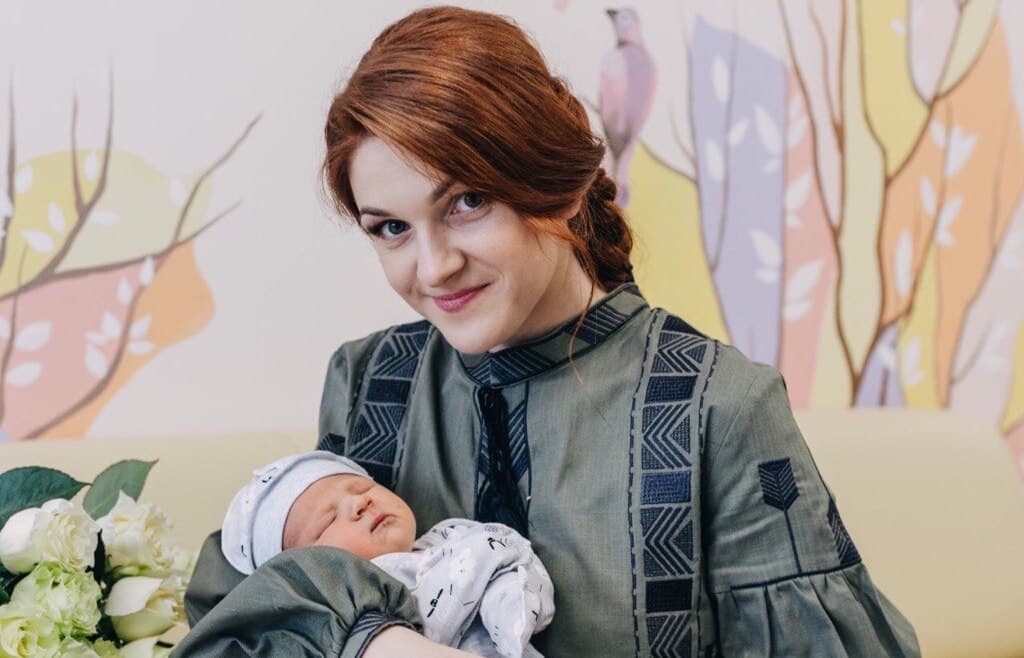
We delivered four babies. Even though I studied obstetrics and gynecology in medical school for a year and a half or two — we’d never actually worked with it. I had two girls from the obstetrics ward working with me. And I started recalling what I’d learned in school.
There was a moment when residents started taking everything from stores — nobody knew what would happen next. Pharmacies fell to looting. People who loot don’t always understand whether they need things or not.
People would come to us, and we didn’t have this, didn’t have that. Then people started telling us: “We’re sitting in our basement, we have bags of medicine. Should we bring it to you?”
A saying emerged among us: “Looters by evening, volunteers by day.” I don’t blame people, but the rhyme just wrote itself.
In the second half of April, several doctors returned. They’d come from nine to one to help, but refused overnight shifts, so I continued working around the clock. Until about July 20, I was on duty non-stop through the nights. And most of the wounded came in during the second half of the day, toward evening. For some reason, that’s how it worked out.
Over all that time, only two people died on us. There were many patients. In August, we recorded that since the start of the occupation, about 400 wounded civilians of varying severity had been admitted. But there was also a huge number of regular patients — nobody had cancelled heart attacks, strokes, chronic crises, pneumonia, bronchitis.
For me, the hardest thing is when you can’t help. These are usually severe blast injuries, mostly with head damage.
In May or June, my friend carried his wife in his arms. I know them both well. But it was a direct hit to the heart — there was nothing I could do.
When you know the person well — it’s devastating. Everyone who was here, every single one, had bouts of depression. Each has their own personal tragedy.
What helped was supporting each other. And the saved lives gave us strength — when people would later say: “Thank you for being here.”
One day my neighbors came running: “Your house has been destroyed.” I went to look and started laughing — the hit came from the kitchen side, and they told me it was at 7 p.m. And at that time, I’m typically in the kitchen. Work saved me yet again. All of that can be rebuilt, but a life can’t be brought back.
From the windows of our hospital, you could usually see activity around the Russian field hospital — wounded being brought in, vehicles driving around. On September 10, at 6 a.m., I stepped outside and looked: no checkpoints, no guards. And silence everywhere.
I say to one of the staff: “Let’s go check — something’s off.” We went and saw: belongings scattered, stretchers, doors wide open. Nobody in the hospital.
On the 10th, there was complete silence all day and night. Like a vacuum. A divine silence hung in the air.
The next day, our military moved in — our people were back. Everything immediately felt much calmer.
But several months had been lived in hellish tension. Only now am I beginning to realize that I’m finally exhaling.