Instagram Post Text
Attention! Translation was done using AI, mistakes are possible
On the evening of February 23, during a session with my psychologist, we discussed how I was scared and anxious, afraid of war. At 5 a.m. on February 24, I woke up — “Damn, those aren’t fireworks, those are definitely not fireworks,” I thought, and started checking work chats and conversations with friends. Everyone was writing the same thing: “Do you hear it too?” I woke up my boyfriend Sasha, showed him the news: “Look, Putin announced the start of the 'special operation.'” Panic erupted in the city. The mayor, Ihor Terekhov, announced that all schools were going on a two-week break. The first week was the hardest: nobody understood what to do, what would happen next. I never imagined that at 23 I’d learn the two-wall rule: one wall protects from the blast, the other from shrapnel.
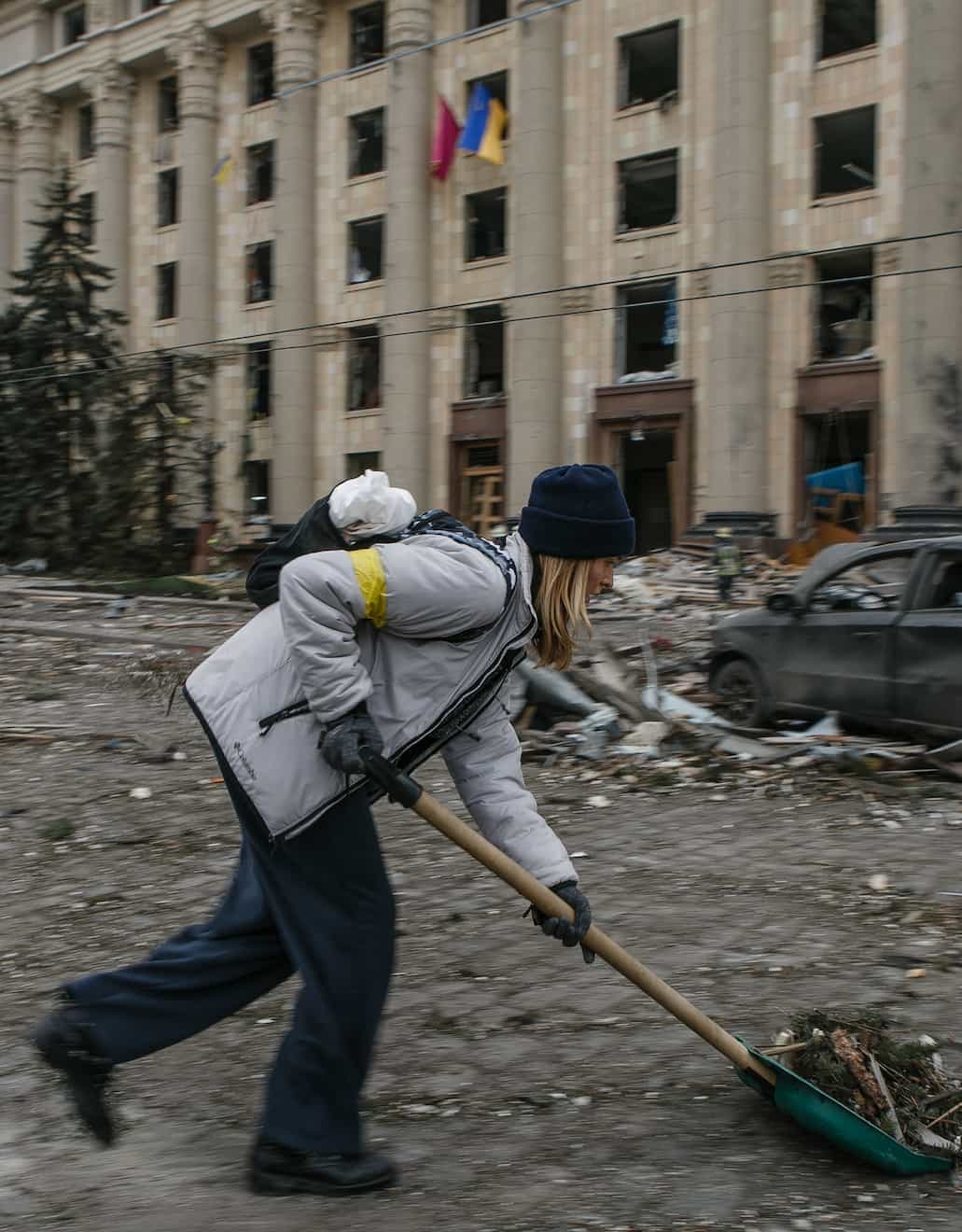
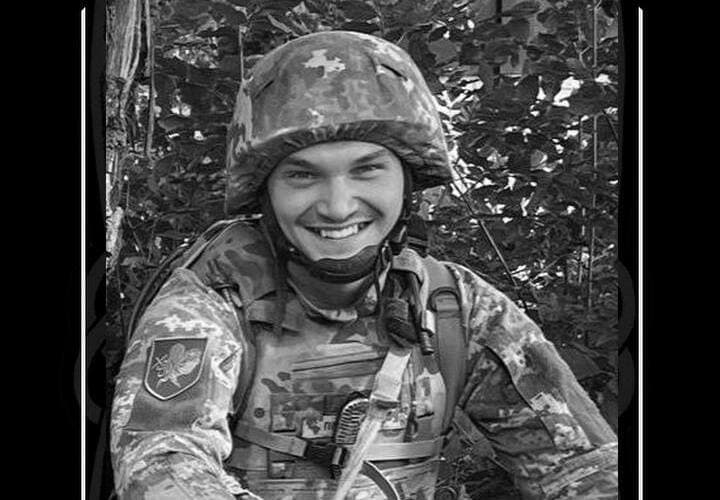
My friend left to her parents in Poland eight days into the war. Now her apartment in Kharkiv has no windows. My relatives live in an 8-entrance building in Kharkiv Oblast — two entrances have already been bombed. My friends drive to Pivnichna Saltivka, to grandparents, delivering food. There are fully occupied territories where humanitarian convoys don’t reach — they get shot up. One of my friends enlisted in the Territorial Defense and has already been killed.
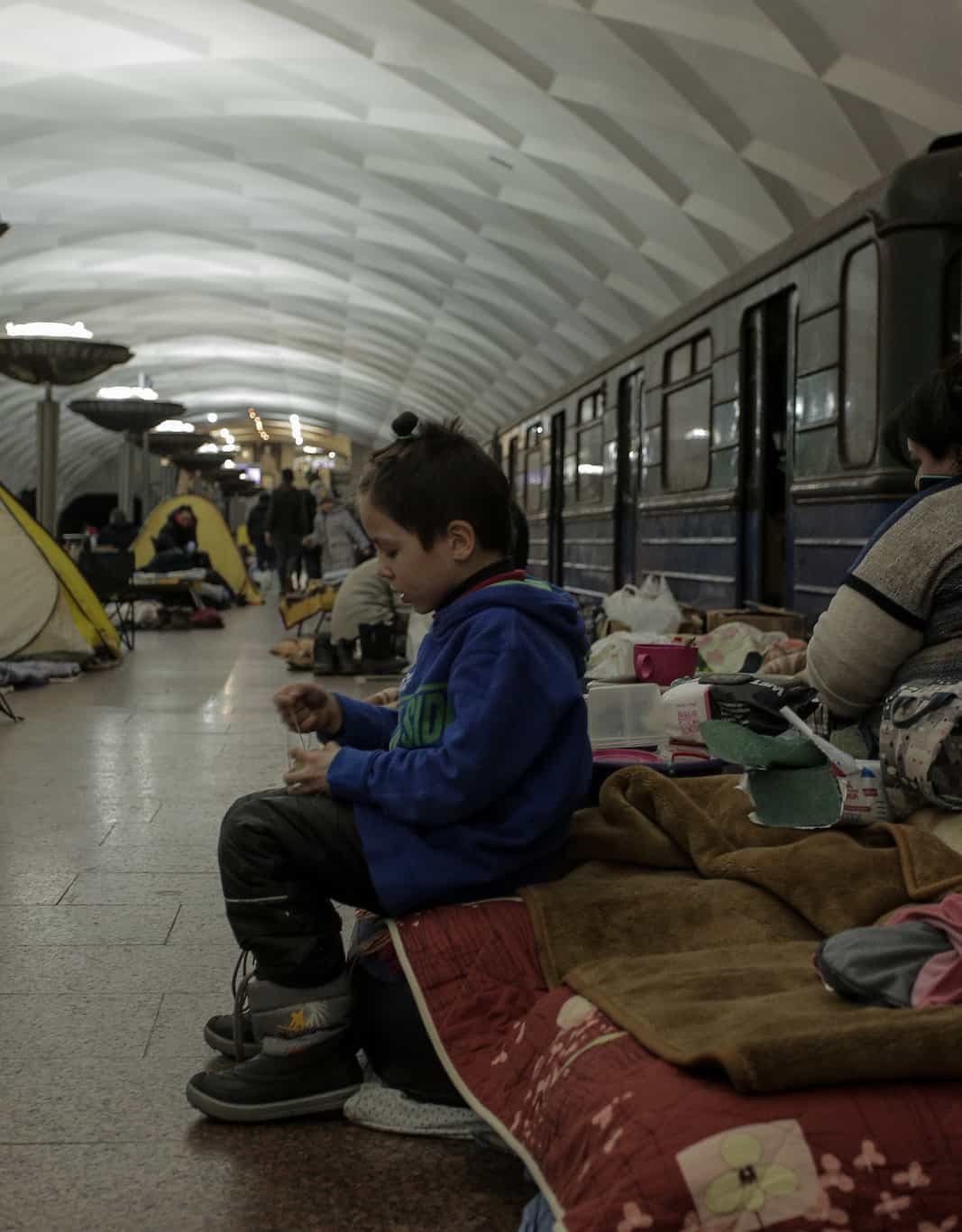
At first we thought of hiding in the metro, but where Sasha works is also safe — it’s a bar in a building’s basement, a former bomb shelter. Even if a shell hits the building, we’ll survive. Before the war, Sasha worked here as a head chef. There are 18 of us here, two dogs, five cats, a rat, and squirrels. We pushed two tables together in the guest area, laid down jackets and blankets, and sleep. If only there were a shower, it’d be perfect.
Sasha cooks food to feed people in the metro. They cook here, where we live, then volunteers deliver the hot meals. There’s a small kitchen here — three people max. Groceries are delivered. They’ve set up volunteer organizations, supply chains. Sasha contacts them a couple of times a day, writes how many portions he managed to make from the supplies, what’s still missing and what we need.
I continue teaching elementary school and preparing high schoolers for exams. I have students who live in temporarily occupied territories, like Mali Prokhody. I teach the younger ones math, Ukrainian, reading, nature studies. We talk a lot with them. I prepare the older students for state exams. The Ministry of Education proposed holding them in digital format, so we keep preparing.
Children who’ve left — we continue classes with them too. High schoolers who’ve left are now trying to settle in new places, taking additional language courses. Parents aren’t paying in full right now, but most support as much as they can to cover part of the salary.
The school has partially maintained salaries. The team has restored about 70% of operations. Among my acquaintances, many teach free classes, and Ukrainian TV channels also broadcast lessons for children at certain times.
Our school is private. We believe in democracy within our small community. A child’s voice equals an adult’s, and besides core skills, we heavily develop soft skills. Some lessons are supported by interactive assignments in presentation format — we work with both presentations and textbooks. I show them materials through screen sharing. We worked in this format during COVID, and as strange as it sounds, there’s something to thank quarantine for — the children already have these skills.
Many parents of my students worry about the children’s mental health. Their attention span is reduced now. We often stop and discuss the war, discuss the situation in Kharkiv and how children who’ve temporarily gone abroad are being helped by people in other countries. Reading goes worse because it requires high concentration. Right now I try to completely ignore errors — I might give a brief comment. Even before the war, I worked with children using the hamburger method (good, bad, good); now I emphasize the good. The lessons help them enormously — parents are grateful, and children are happy to see familiar teacher faces and return to their comfort zone; it’s familiar, part of their lives. I teach every day for 5 hours: 3–4 hours with elementary school and 1–2 hours with high schoolers. The children are positively motivated — their fighting spirit is more serious than ours. They ask about the city: where I’ve been, what I’ve seen, whether I’m safe. They believe in victory, believe in Ukraine, in our country. They’re waiting to return home. Parents of the younger children send homework as photos in messengers. I usually go over things with the children during the lesson, and we do corrections right there in Paint.
I also found a book for building positive reinforcement (as much as that’s possible during a war) — they really liked it.
I don’t know how long the war and the rebuilding of our country will take. I know that Putin’s propaganda has failed. He’ll be overthrown soon; victory will be Ukraine’s. We’ve lived here our whole lives. We definitely don’t have fascists here. Unlike Russians, I can go out to the square with a poster against Zelensky, and the most the police would do is come up and ask how I’m doing. Nobody will haul me into a paddy wagon, and I won’t come back a week later covered in bruises. Most of my circle is middle class. We ate well, went to the seaside, we were planning to travel abroad. When the war ends, we’ll be super-cool Ukrainians and we’ll go travel. Like my students, I believe in our victory. I’m so optimistic that I ordered a jacket and sneakers for spring. Because life goes on — yes, war, yes, explosions, but life goes on.