Instagram Post Text
Attention! Translation was done using AI, mistakes are possible
Lesia from Zaporizhzhia is 25 years old. She’s a transgender woman. She’d wanted to transition since she was 14, but only went through with it 2 years ago.
I wanted to join the army. I’d always had many friends from Donetsk, my family once had a little house in Crimea — I believe in the idea of freedom for those places. In 2015, still with male documents, I volunteered to serve in “Svyata Maria” (the first Christian volunteer battalion of company strength within Ukraine’s Ministry of Internal Affairs — SP).
They wouldn’t take me into the [regular] army. They cited my health and physical fitness. I had long hair, feminine mannerisms, I was prone to tears. I think everyone already understood my femininity back then and felt sorry for me. Though I never gave anyone permission to pity me. They advised me to calm down and become a teacher. I actually enrolled in a foreign languages teaching program and taught for a while.
My vaginoplasty was performed on June 25, 2021. A benefactor — a Ukrainian living in the United Kingdom — helped pay for the surgery. Before the operation, I did my makeup — eyeliner, eyebrows, lashes. I drew a little nose and fox whiskers on my cheeks — the medical staff loved it. My last thought before the anesthesia: “Mom is going to worry.”
After the vaginoplasty, I had to spend several weeks in the hospital. My military training came in handy once: they injected a medication containing nicotinic acid, meant to dilate blood vessels. I had a severe allergic reaction — swelling began, I started suffocating. On the front, they’d been training me as a paramedic and taught me how to insert an intubation tube, so I started wheezing to the doctor about the tube — he understood immediately.
When I recovered from surgery, my mom and I went to the registry office to change my documents to female ones. It didn’t happen on the first try, but we managed.
After the surgery, there was a feeling that everything was right, as if it had always been this way. I regret not starting gender reassignment at 12. [Although] I did get to experience male socialization — a kind of “dual registration.” Cisgender women often reproach trans women for this, but I have nothing to say about it.
In 2021, I came out. I’d been planning it for almost a year and a half. I personally called relatives and acquaintances. Most people congratulated me. The people I’d met during my service in 2015 don’t know — I cut off all contact. I’m afraid to find out about them; after February 24, surely not all of them survived.
Before the surgery, I’d never even had sex. But by the time of my coming out, I already had a partner. They’re a nonbinary person (a person whose gender identity is neither female nor male — SP). Soon [after the coming out], they proposed. I didn’t want to accept for a long time — I thought I wasn’t worthy of a family and comfort.
We decided I’d take part in raising their daughter — I was completely for it. The daughter is six — to her, I’m just a woman, she doesn’t know I’m a transgender mom. We live harmoniously. We’d planned to officially get married a bit later, not in Ukraine, but then the war started.
Even before February 24, because of reports about a possible war, I’d been begging to be allowed to sign a contract with the Armed Forces of Ukraine. But every brigade turned me down. When the war actually came to our country, the recruitment office [still] said: “The unit commander said not to take women.”
I submitted an application to join the Territorial Defense. The officer at the intake desk kept hinting that I should withdraw it — “Miss, you can always back out, whenever you change your mind.” It infuriated me that I had medical skills, yet they were taking boys with no experience instead of me. I left my information and phone number anyway.
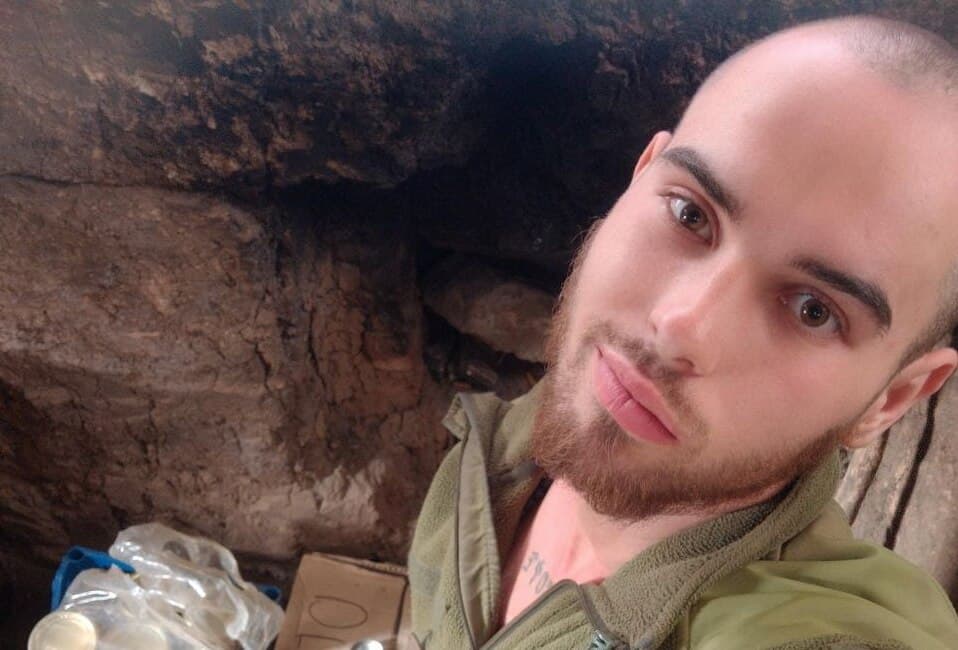
Then they assigned me the position of company medical instructor. As far as I know, this is the first time in Ukraine’s history that a trans woman has held an officer position in the army.
In 2015, I had male documents and they bullied me, calling me a woman. Now I have female documents — almost everyone treats me normally, except for a few people. The battalion commander is supportive, the company commander is neutral.
The roughest incident was a fight with the head of medical services. It was partly because of my trans status too, though generally I think the chief medic is just a sadist. But my fellow soldiers nearly ripped his head off for me. You only find true friends in war. That’s very precious.
In everyday life, outside of service, there were more conflicts. Once, several men on the street surrounded me and started threatening violence. Another time, some guy attacked me at a store checkout. There were just threats on the street. One evening, some guy tried to sic his dog on me.
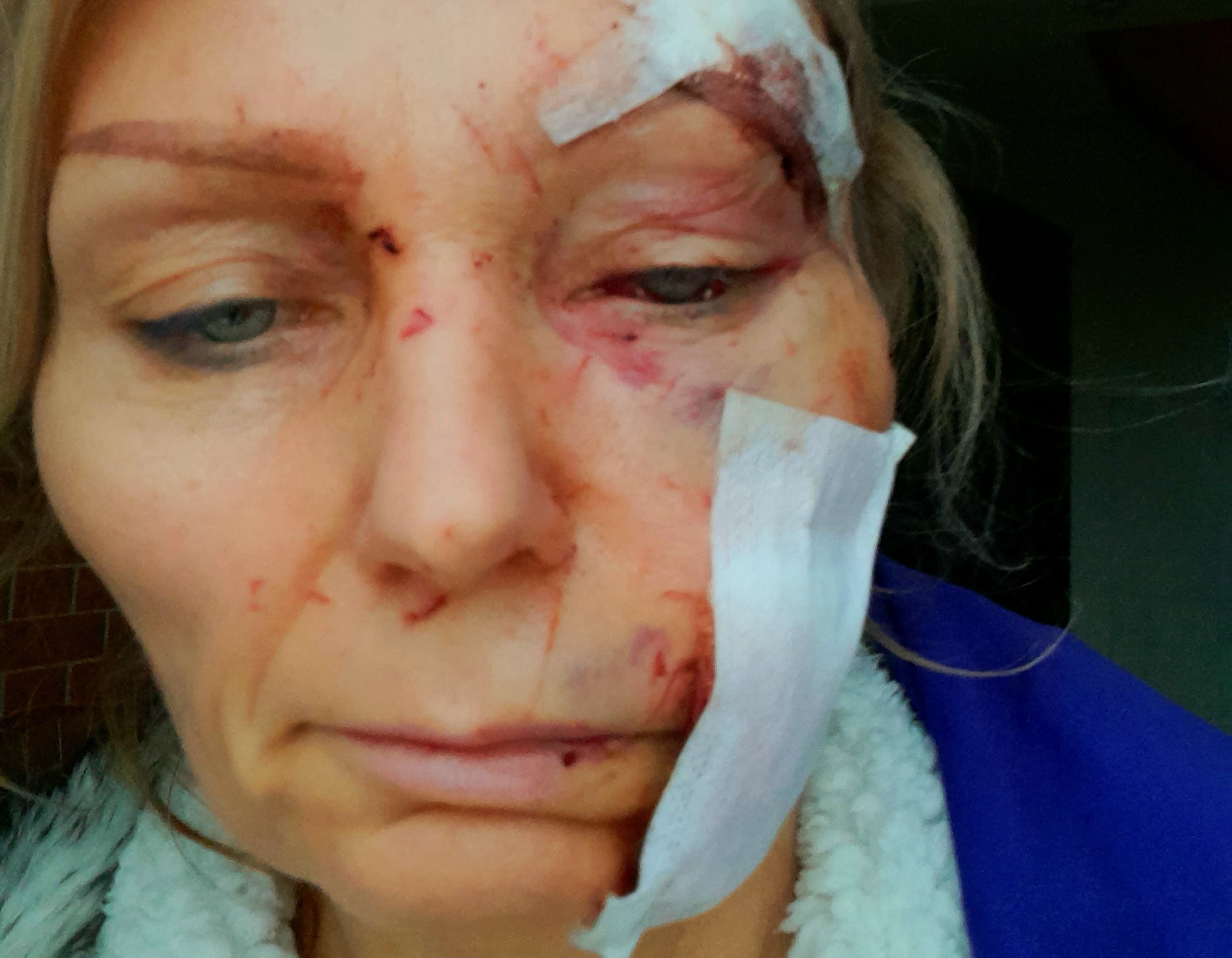
I can’t fight in full combat, only as a medic. The longer a trans patient has been on estrogen, the more vascular problems she has. Muscles degrade under hormonal medication. A trans woman is weaker than other women her age. My height doesn’t decrease, but my muscles aren’t as strong anymore. On August 16, I had facial feminization surgery — I’m in the hospital now, but before that I was on the front line.
My partner is currently in western Ukraine doing volunteer work. People constantly ask me about this on social media: “They’re there, and you’re at war.” That’s just how it turned out. My call sign came from them too — at home they called me a fawn, and it became the call sign “Doe.”
I’ve sometimes thought about leaving for Europe — you can get treatment there. [In Ukraine, ] even before the war, hormonal medications were very expensive. Pharmacies only carried contraceptives containing estradiol, but taking those leads to blood clots. This isn’t rose-colored glasses, it’s pragmatism: running because there’s medication there.
When the war started, I decided I had to stay. My experience might be useful here. And I also want to fight against Russian soldiers and transphobes.